

What is the drying speed of the clothes dryers from the factory?
In the dynamic landscape of household appliances, the drying speed of clothes dryers stands as a pivotal factor for consumers. As a dedicated supplier from a Clothes Dryer Factory, I am excited to delve into the intricacies of this crucial aspect, exploring the variables that influence drying speed and how our factory's products excel in this domain.
Understanding the Basics of Drying Speed
Drying speed refers to the time it takes for a clothes dryer to remove moisture from wet clothes and render them dry and ready to wear. It is a measure of efficiency that directly impacts the user experience, convenience, and energy consumption. A faster drying speed means less time waiting for your laundry to dry, allowing you to get on with your day more quickly.
Several factors contribute to the drying speed of a clothes dryer. The most significant ones include the type of heating system, the airflow design, the capacity of the dryer, and the moisture removal rate.
Types of Heating Systems and Their Impact on Drying Speed
The heating system is the heart of a clothes dryer, responsible for generating the heat needed to evaporate moisture from the clothes. There are two main types of heating systems commonly used in clothes dryers: electric and gas.
Electric Heating Systems
Electric dryers use heating elements to convert electrical energy into heat. These elements are typically made of metal alloys that resist the flow of electricity, generating heat as a byproduct. Electric dryers are known for their consistent heat output and precise temperature control, which can contribute to faster drying times. However, they tend to consume more energy compared to gas dryers.
Gas Heating Systems
Gas dryers, on the other hand, use natural gas or propane to produce heat. The gas is ignited by a burner, and the heat is transferred to the clothes through a heat exchanger. Gas dryers are generally more energy-efficient than electric dryers and can often dry clothes more quickly due to their higher heat output. However, they require a gas connection and proper ventilation, which may limit their installation options.
Airflow Design and Its Role in Drying Speed
The airflow design of a clothes dryer is another critical factor that affects drying speed. A well-designed airflow system ensures that hot air circulates evenly throughout the drum, reaching all the clothes and facilitating the evaporation of moisture.

Front-Loading Dryers
Front-loading dryers typically have a more efficient airflow design compared to top-loading dryers. The horizontal drum design allows for better tumbling action, which helps to separate the clothes and expose them to the hot air more effectively. Additionally, front-loading dryers often have larger lint filters and more powerful fans, which can improve the airflow and reduce drying times.
Top-Loading Dryers
Top-loading dryers, while still popular, may have a slightly less efficient airflow design. The vertical drum design can sometimes cause the clothes to clump together, reducing the exposure to the hot air and increasing drying times. However, many modern top-loading dryers are equipped with features such as agitators or multiple drying racks to improve the airflow and enhance the drying performance.
Capacity and Drying Speed
The capacity of a clothes dryer, measured in cubic feet, also plays a role in drying speed. A larger capacity dryer can accommodate more clothes at once, which can be convenient for larger households or those with heavy laundry loads. However, overloading the dryer can actually slow down the drying process, as the clothes may not have enough room to tumble freely and be exposed to the hot air.
It is important to choose a dryer with a capacity that suits your needs. If you have a small household or typically do smaller loads of laundry, a dryer with a capacity of 4 to 5 cubic feet may be sufficient. For larger households or those with heavier laundry loads, a dryer with a capacity of 6 cubic feet or more may be a better choice.
Moisture Removal Rate and Drying Speed
The moisture removal rate is a measure of how quickly a clothes dryer can remove moisture from the clothes. It is typically expressed in pounds per hour (lb/hr) and is an important indicator of the dryer's efficiency. A higher moisture removal rate means that the dryer can remove more moisture from the clothes in a shorter amount of time, resulting in faster drying speeds.
Our factory's clothes dryers are designed with high moisture removal rates to ensure efficient and fast drying. We use advanced technologies and materials to optimize the drying process and maximize the moisture removal rate, while also minimizing energy consumption.
Our Factory's Clothes Dryers and Their Drying Speed
At our Clothes Dryer Factory, we are committed to producing high-quality clothes dryers that offer exceptional drying speed and performance. Our dryers are equipped with state-of-the-art features and technologies to ensure efficient and fast drying, while also providing a convenient and user-friendly experience.
Voice Controlled Clothes Dryer
Our Voice Controlled Clothes Dryer is a revolutionary product that combines the latest in voice control technology with high-performance drying capabilities. With just a few simple voice commands, you can start, stop, and adjust the settings of the dryer, making it easier than ever to do your laundry. The dryer is also equipped with advanced sensors that can detect the moisture level of the clothes and adjust the drying time and temperature accordingly, ensuring optimal drying results every time.
Embedded Clothes Dryer
Our Embedded Clothes Dryer is designed to seamlessly integrate into your kitchen or laundry room, providing a sleek and modern look. The dryer is equipped with a powerful heating system and a high-efficiency airflow design, which allows it to dry clothes quickly and efficiently. It also features a large capacity drum and multiple drying cycles, making it suitable for a variety of laundry loads.
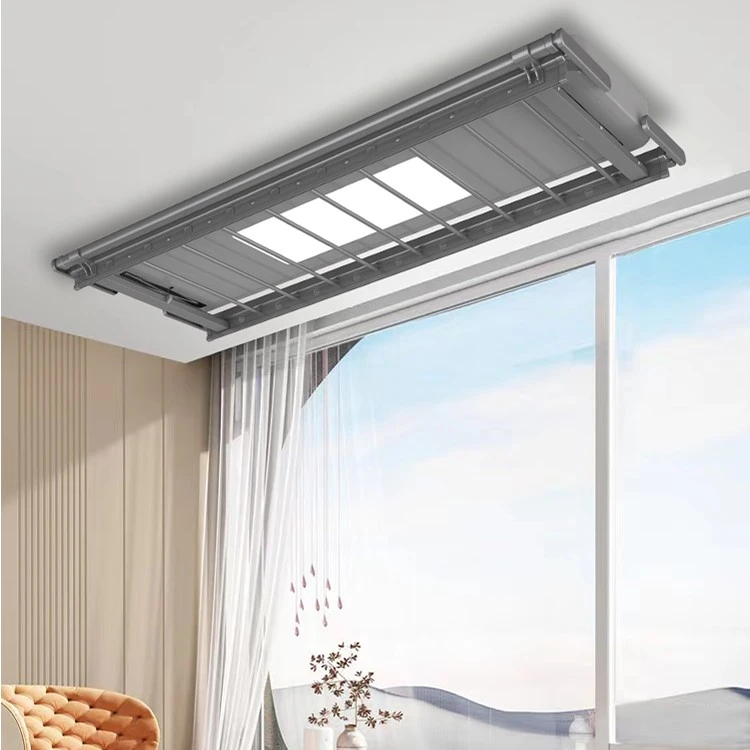
Electric Clothesline
Our Electric Clothesline is a convenient and energy-efficient alternative to traditional clothes dryers. The clothesline uses an electric heating element to dry the clothes, which can significantly reduce drying times compared to air drying. It is also adjustable in height and length, making it suitable for a variety of spaces and laundry loads.
Conclusion
The drying speed of clothes dryers is a crucial factor that can significantly impact the user experience, convenience, and energy consumption. By understanding the variables that influence drying speed, such as the type of heating system, the airflow design, the capacity of the dryer, and the moisture removal rate, consumers can make informed decisions when choosing a clothes dryer.
As a supplier from a Clothes Dryer Factory, we are dedicated to providing our customers with high-quality clothes dryers that offer exceptional drying speed and performance. Our Voice Controlled Clothes Dryer, Embedded Clothes Dryer, and Electric Clothesline are all designed with the latest technologies and features to ensure efficient and fast drying, while also providing a convenient and user-friendly experience.
If you are interested in learning more about our clothes dryers or would like to discuss a potential purchase, please feel free to contact us. We look forward to the opportunity to work with you and provide you with the best clothes drying solutions for your needs.
References
- "Clothes Dryer Buying Guide." Consumer Reports.
- "How Does a Clothes Dryer Work?" The Spruce.
- "Types of Clothes Dryers." Lowe's.