

What are the differences between single - and double - stackable household clothes dryers?
Hey there! As a household clothes dryer supplier, I've gotten tons of questions about the differences between single - and double - stackable household clothes dryers. So, I thought I'd sit down and write this blog to clear things up for you.
Size and Space Considerations
Let's start with the most obvious difference: size. Single - stackable clothes dryers are, well, single units. They take up a certain amount of floor space in your laundry area. If you've got a small laundry room or a tight space, a single dryer might be your best bet. It's compact and doesn't require a huge area to be installed.
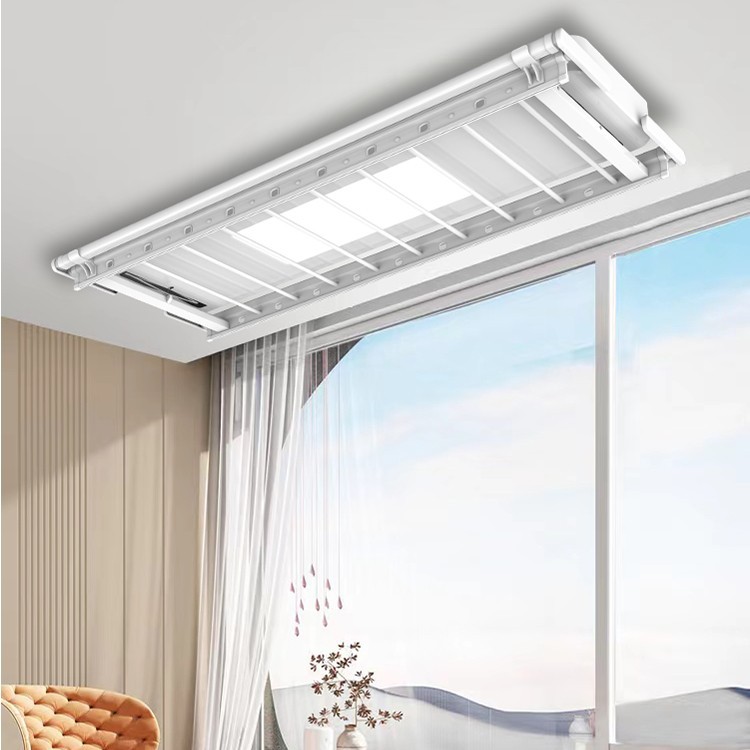
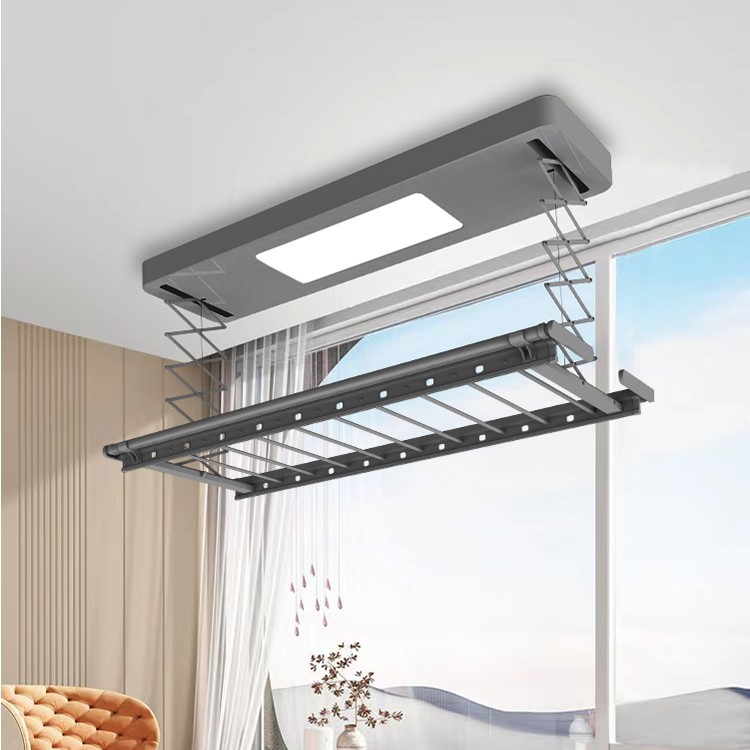
On the other hand, double - stackable dryers are designed to be stacked on top of each other. This is a game - changer for those with limited floor space. You can essentially double your drying capacity without taking up twice the floor area. It's like having two dryers in the space of one! For example, if you live in an apartment with a tiny laundry nook, a double - stackable dryer can be a real lifesaver. You can free up that extra floor space for other things like a Household Drying Rack or a laundry basket.
Drying Capacity
Drying capacity is another major difference. Single dryers usually have a standard capacity that can handle a regular load of laundry. This is great for small families or individuals who don't have a ton of clothes to dry at once. You can throw in a couple of shirts, a pair of jeans, and some underwear, and it'll do the job just fine.
Double - stackable dryers, however, offer a much larger combined capacity. If you've got a big family with lots of dirty clothes piling up, a double - stackable dryer can get through multiple loads in one go. You can separate different types of laundry between the two units. For instance, you can put your delicates in one dryer and your heavy - duty work clothes in the other. This not only saves time but also helps to take better care of your clothes.
Energy Consumption
Energy consumption is a big deal when it comes to household appliances. Single dryers generally use less energy because they're smaller and have a single set of heating elements and motors. If you're looking to save on your electricity bill and don't need a huge drying capacity, a single dryer is the way to go.
Double - stackable dryers, while they offer more capacity, do use more energy. But here's the thing: if you're doing multiple loads in a single dryer, you'll end up using more energy over time because the dryer has to run multiple cycles. With a double - stackable dryer, you can do two loads at once, which can be more energy - efficient in the long run, especially for large households.
Cost
Cost is always an important factor when making a purchase. Single dryers are usually cheaper upfront. They're simpler in design and have fewer components, which means they cost less to manufacture and sell. If you're on a tight budget, a single dryer can be a great option.
Double - stackable dryers, on the other hand, are more expensive. The additional unit, the stacking mechanism, and the more complex controls all add to the cost. But when you think about the long - term savings in terms of time and energy, it might be worth the extra investment.
Installation and Maintenance
Installing a single dryer is relatively straightforward. You just need to make sure you have the right electrical outlet, a proper venting system, and enough space around the dryer for air circulation. It's a job that you can probably do yourself if you're handy with tools.
Double - stackable dryers are a bit more complicated to install. You need to make sure the stacking kit is properly installed and that the dryers are level and stable. It's often a good idea to have a professional do the installation to avoid any issues. Maintenance is also a bit more involved with double - stackable dryers. You have two units to clean, two sets of filters to change, and more parts that could potentially break down. But if you stay on top of it, they can last a long time.
Features and Controls
Both single and double - stackable dryers come with a variety of features and controls. Single dryers usually have basic settings like different drying cycles (normal, delicate, heavy - duty), temperature controls, and a timer. These are enough for most people's needs.
Double - stackable dryers often come with more advanced features. Some models have separate controls for each unit, so you can set different drying cycles and temperatures for each dryer. You might also find features like moisture sensors that can detect when your clothes are dry and automatically turn off the dryer. This not only saves energy but also helps to prevent over - drying your clothes.
Noise Level
Noise can be a real annoyance, especially if your laundry room is close to your living area. Single dryers are generally quieter because they have a single motor and fewer moving parts. If you're sensitive to noise or have a small living space, a single dryer might be a better choice.
Double - stackable dryers can be a bit noisier because there are two motors running at the same time. However, many modern double - stackable dryers are designed with noise - reduction technology to minimize the sound.
Flexibility
Single dryers offer a certain level of flexibility. You can move them around more easily if you need to rearrange your laundry room. They're also easier to replace if something goes wrong.
Double - stackable dryers are less flexible in terms of movement. Once they're installed, it's not easy to move them around. But they do offer the flexibility of being able to dry different types of clothes simultaneously.
So, there you have it! The main differences between single - and double - stackable household clothes dryers. As a supplier, I can help you choose the right dryer for your needs. Whether you're a small family looking for a budget - friendly option or a large household in need of a high - capacity dryer, I've got you covered. If you're interested in learning more or making a purchase, feel free to reach out. We can have a chat about your specific requirements and find the perfect dryer for you.
References
- Consumer Reports: Appliance Buying Guides
- Manufacturer's product manuals for household clothes dryers