

How to store a sterilizing clothesline when not in use?
Hey there! As a supplier of sterilizing clotheslines, I often get asked about the best way to store these nifty gadgets when they're not in use. Storing your sterilizing clothesline properly not only helps to keep it in good condition but also ensures that it's ready to go the next time you need it. So, let's dive into some tips on how to do just that.
Clean It First
Before you store your sterilizing clothesline, it's super important to give it a good clean. Over time, dirt, dust, and even some grime can build up on the line, especially if it's been used outdoors. Start by unplugging the clothesline if it's an electric one. Then, use a soft cloth dampened with mild soapy water to wipe down the entire line. Make sure to get into all the nooks and crannies, especially around the sterilizing elements if it has any.
For the parts that are a bit tougher to clean, like the hooks or the connectors, you can use a small brush to gently scrub away any stubborn dirt. Rinse the cloth frequently to avoid spreading the dirt around. Once you've cleaned the whole thing, dry it thoroughly with a clean, dry cloth. This step is crucial because any moisture left on the clothesline can lead to rust or mold growth during storage.
Check for Damage
While you're cleaning the clothesline, take a close look at it for any signs of damage. Check the line itself for any fraying, cuts, or weak spots. If you notice any, it's a good idea to repair them before storing the clothesline. For minor frays, you can use some strong thread to sew them up. If there are more significant cuts, you might need to replace the affected part.
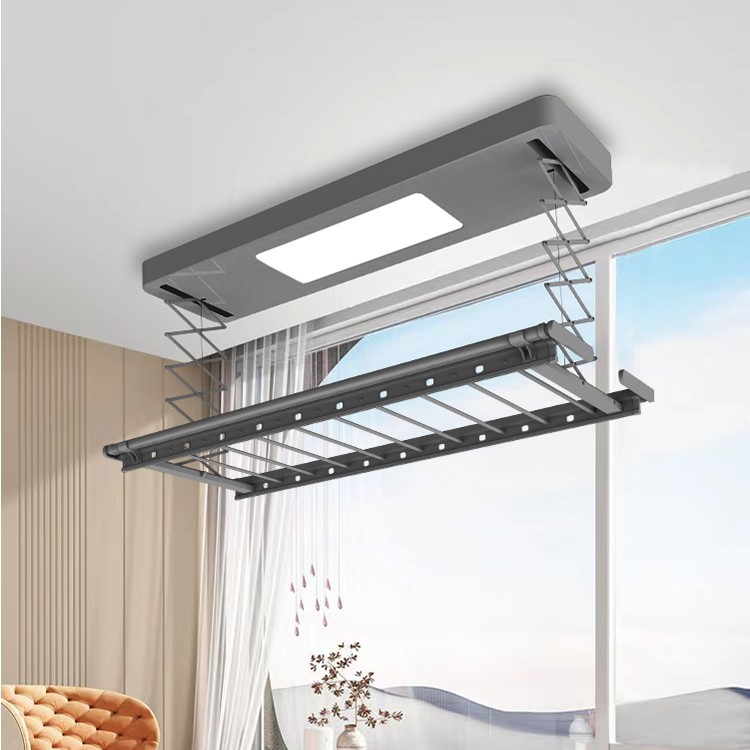

Inspect the sterilizing components, too. If your clothesline has UV lights or other sterilizing features, make sure they're in working order. Look for any loose connections or broken bulbs. If you find any issues, it's best to get them fixed right away. You don't want to store a damaged clothesline and then find out it's not working when you need it next.
Choose the Right Storage Space
Now that your clothesline is clean and in good condition, it's time to find a suitable place to store it. The first thing to consider is the temperature and humidity of the storage area. You want to avoid storing the clothesline in a place that's too hot, cold, or humid. Extreme temperatures can damage the materials, and high humidity can cause rust and mold.
A dry, cool closet or a storage shed can be great options. If you're storing it in a shed, make sure it's well-ventilated to prevent moisture buildup. You can also use a plastic storage container to keep the clothesline protected from dust and pests. Just make sure the container is big enough to hold the clothesline without bending or squeezing it too much.
Fold or Coil It Properly
How you fold or coil the clothesline can make a big difference in how well it stores and how easy it is to set up again later. If your clothesline is a retractable one, follow the manufacturer's instructions for retracting it. Usually, you can just press a button or turn a crank to wind the line back into the housing.
For non - retractable clotheslines, start by gently coiling the line. Try to make the coils as even as possible to avoid creating kinks. You can use some twist ties or small rubber bands to hold the coils together. This will keep the line organized and prevent it from getting tangled during storage.
Store Accessories Separately
Most sterilizing clotheslines come with accessories like hooks, clips, or extra connectors. It's a good idea to store these accessories separately from the main line. You can use a small plastic bag or a compartment in the storage container to keep them together. Label the bag or compartment so you know what's inside. This way, you won't have to search around for the accessories when you want to use the clothesline again.
Consider Hanging It
If you have the space, hanging the clothesline can be a great storage option. You can use a hook on the wall of your closet or storage shed to hang the coiled or folded clothesline. This keeps it off the ground and makes it easy to access. Just make sure the hook is strong enough to hold the weight of the clothesline and that it's securely attached to the wall.
Additional Tips for Different Types of Clotheslines
Voice Controlled Drying Rack
If you have a Voice Controlled Drying Rack, storing it requires a bit more care. These racks usually have more complex electronics, so make sure to follow the specific storage instructions in the user manual. In general, you'll want to keep it in a dry place and protect it from any physical damage. You can cover it with a dust - proof cloth to keep it clean.
Heated Clothes Airer
For a Heated Clothes Airer, unplug it and let it cool down completely before storing. Make sure to fold it up according to the instructions to avoid damaging the heating elements. Store it in a place where it won't be crushed or bent. You can also wrap the power cord neatly around the airer and secure it with a tie.
Electric Clothesline
An Electric Clothesline needs to be stored with its power cord properly managed. Coil the cord carefully and use a cord organizer or a twist tie to keep it in place. Store the clothesline in a place where the cord won't get tangled or damaged.
Conclusion
Storing your sterilizing clothesline properly is an important part of keeping it in good condition and ensuring its longevity. By following these tips, you can make sure that your clothesline is ready to use whenever you need it. Whether you're dealing with a simple retractable line or a high - tech voice - controlled rack, taking the time to clean, inspect, and store it correctly will pay off in the long run.
If you're in the market for a new sterilizing clothesline or have any questions about the ones we offer, don't hesitate to reach out. We're here to help you find the perfect solution for your laundry needs. Contact us to start a procurement discussion and see how our products can make your life easier.
References
- General knowledge on clothesline maintenance and storage
- Manufacturer's instructions for various sterilizing clotheslines