

How to optimize the energy efficiency of a clothes drying machine?
In today's era, energy efficiency is not just a buzzword; it's a crucial factor in the design and operation of household appliances. As a clothes drying machine supplier, I understand the significance of optimizing energy efficiency not only for the environment but also for our customers' wallets. In this blog, I'll share some effective strategies to enhance the energy efficiency of clothes drying machines, which will not only save energy but also extend the lifespan of your machines.
Understanding the Basics of Energy Consumption in Clothes Drying Machines
Before diving into optimization strategies, it's essential to understand how clothes drying machines consume energy. Generally, the main energy - consuming components of a clothes dryer are the heating element and the motor. The heating element warms the air to dry the clothes, while the motor rotates the drum. The energy consumption is affected by several factors, including the type of dryer (vented, condenser, or heat pump), the load size, and the drying settings.
Vented dryers expel the moist air outside, which requires a significant amount of energy to heat new air continuously. Condenser dryers collect the moisture in a container, but they also consume a fair amount of energy. Heat pump dryers, on the other hand, are the most energy - efficient as they recycle the heat, reducing energy consumption by up to 50% compared to traditional vented dryers [1].
Choosing the Right Clothes Drying Machine
The first step in optimizing energy efficiency is to select the right type of dryer. As mentioned above, heat pump dryers are the most energy - efficient option. Although they tend to have a higher upfront cost, the long - term energy savings can offset the initial investment. For example, if you do a large amount of laundry regularly, a heat pump dryer will pay for itself in energy savings over time.
When choosing a dryer, also consider the capacity. A dryer that is too small for your laundry needs will require multiple cycles, increasing energy consumption. Conversely, an oversized dryer may not operate at its optimal efficiency when running with a small load. Look for a dryer with a capacity that matches your average laundry volume. You can explore our range of Home Clothes Drying Machine to find the one that suits your needs.

Optimizing Load Size and Preparation
Loading the dryer correctly is crucial for energy efficiency. A full but not overloaded dryer operates most efficiently. Overloading the dryer can prevent proper air circulation, leading to longer drying times and increased energy use. On the other hand, running a dryer with a very small load means that the energy is not being used effectively.
Before putting clothes in the dryer, remove as much water as possible. You can do this by spinning the clothes at a high speed in the washing machine. The less water there is in the clothes, the less energy the dryer needs to remove it. Additionally, separate your laundry by fabric type and thickness. Drying similar items together allows you to set the appropriate drying time and temperature, reducing energy waste.
Utilizing Drying Settings Wisely
Most modern dryers come with a variety of drying settings, such as different temperature levels and cycle times. Using these settings wisely can significantly improve energy efficiency. For example, use the low - heat setting whenever possible. High - heat settings consume more energy and can also damage delicate fabrics. The low - heat setting may take a bit longer, but it uses less energy and is gentler on your clothes.
Many dryers also have a sensor - drying feature. This feature detects the moisture level in the clothes and automatically stops the dryer when the clothes are dry. Using the sensor - drying function can prevent over - drying, which wastes energy. Some dryers even have a "eco" or "energy - saving" mode that optimizes the drying process for maximum energy efficiency.
Regular Maintenance
Regular maintenance is essential for keeping your dryer running efficiently. A clogged lint filter restricts air flow, which forces the dryer to work harder and consume more energy. Clean the lint filter after every load. In addition to the lint filter, the dryer vent also needs to be cleaned periodically. A blocked vent can cause the dryer to overheat and increase energy consumption. You can use a vent cleaning kit to remove any lint or debris from the vent.
Check the dryer's seals and gaskets regularly. Worn - out seals can allow hot air to escape, making the dryer less efficient. If you notice any damage to the seals, replace them promptly. Also, make sure the dryer is level. An unlevel dryer can cause the drum to rub against other parts, increasing friction and energy consumption.
Alternative Drying Methods
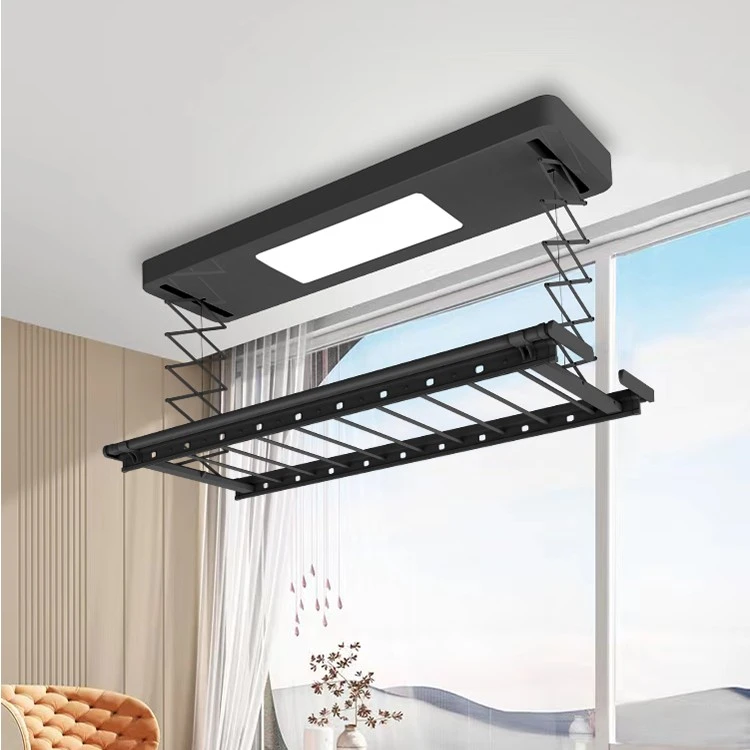
In some cases, using alternative drying methods can further reduce energy consumption. For example, on sunny and windy days, you can hang your clothes outside to dry. This is a completely free and energy - efficient way to dry clothes. If outdoor drying is not an option, you can consider using an Electric Clothesline or a Smart Clothesline. These products use less energy compared to traditional dryers and can be a great addition to your laundry routine.
Conclusion
Optimizing the energy efficiency of a clothes drying machine is a multi - faceted process that involves choosing the right dryer, using it correctly, and maintaining it properly. By following the strategies outlined in this blog, you can significantly reduce the energy consumption of your dryer, save money on your energy bills, and contribute to a more sustainable environment.
As a clothes drying machine supplier, we are committed to providing high - quality, energy - efficient products. If you are interested in learning more about our products or have any questions about optimizing energy efficiency, please feel free to contact us for procurement and further discussions. We look forward to helping you find the best solution for your laundry needs.
References
[1] Energy Saving Trust. (2023). Energy efficient tumble dryers. Retrieved from Energy Saving Trust official website.