

How does a sterilizing clothesline perform in different climates?
When it comes to drying clothes, a sterilizing clothesline is a revolutionary product that combines the traditional method of air - drying with advanced sterilization technology. As a supplier of sterilizing clotheslines, I've witnessed firsthand how these innovative products perform in various climates around the world. In this blog, I'll delve into the performance of sterilizing clotheslines in different climate conditions, highlighting their advantages and potential challenges.
1. Tropical Climates
Tropical climates are characterized by high temperatures and high humidity throughout the year. In such environments, traditional clothes - drying methods can be quite challenging. Regular clotheslines often leave clothes damp for extended periods, which can lead to the growth of mold and mildew.
A sterilizing clothesline, on the other hand, shines in tropical climates. The built - in sterilization function helps to eliminate the bacteria and fungi that thrive in the warm and humid air. For instance, the UV - based sterilization technology commonly used in our sterilizing clotheslines can effectively break down the cell walls of microorganisms, preventing them from multiplying on the clothes.
The high temperature in tropical regions actually aids in the drying process. The heat from the sun, combined with the air circulation around the clothes on the line, can significantly reduce the drying time. Moreover, the sterilizing clothesline can be adjusted to optimize the drying and sterilization process. For example, some of our models have sensors that can detect the humidity level and adjust the intensity of the sterilization accordingly.
However, one potential drawback in tropical climates is the need for protection against intense sunlight. Prolonged exposure to direct sunlight can cause the plastic or rubber parts of the clothesline to deteriorate over time. To address this, we recommend using a protective cover or installing the clothesline in a partially shaded area.
2. Arid Climates
Arid climates are known for their low humidity and high temperatures during the day, with significant temperature drops at night. In these regions, drying clothes is generally not a problem. The low humidity allows clothes to dry quickly, often within a few hours.
The sterilizing function of our clotheslines is particularly useful in arid climates. The dry air can carry a lot of dust and sand particles, which can settle on the clothes. These particles may contain bacteria and other contaminants. The sterilization process helps to ensure that the clothes are not only dry but also clean and free from harmful microorganisms.
In addition, the large temperature difference between day and night can create condensation on the clothes if they are left out overnight. Our sterilizing clotheslines can be set to operate during the day when the sun is out and the air is dry, minimizing the risk of condensation and mold growth.
One advantage of using a sterilizing clothesline in arid climates is that it can be used in areas where water is scarce. Since air - drying is the primary method, there is no need for additional water or energy - intensive drying machines. This makes it an environmentally friendly option for households in these regions.

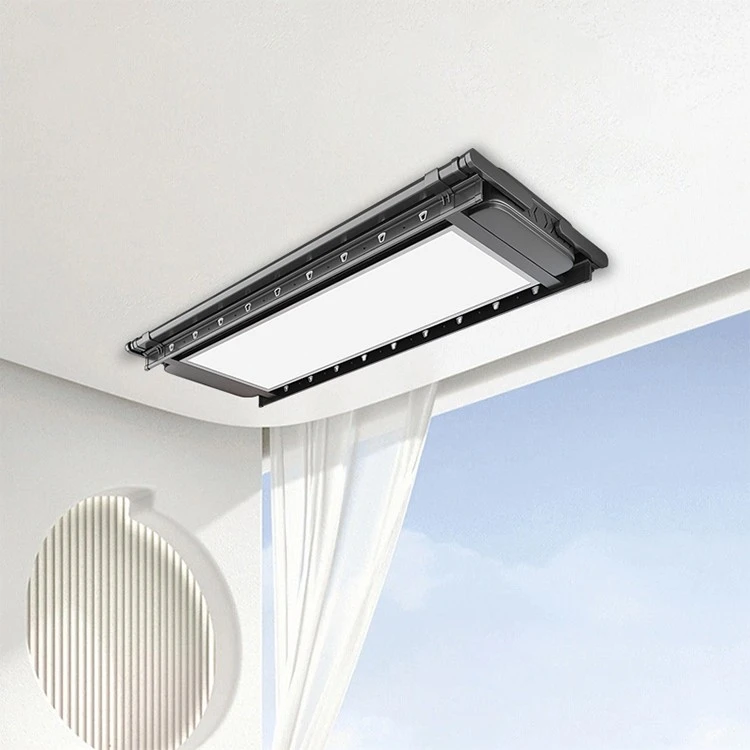
3. Temperate Climates
Temperate climates have four distinct seasons, with moderate temperatures and varying levels of humidity. In spring and summer, the weather is generally warm and sunny, which is ideal for drying clothes on a sterilizing clothesline. The combination of sunlight and the sterilization function ensures that clothes are dried thoroughly and sanitized.
During the autumn and winter months, however, the weather can be more challenging. In some temperate regions, it may rain frequently, and the humidity levels can be relatively high. This can slow down the drying process. Our sterilizing clotheslines are equipped with features to handle such situations. For example, some models have a built - in heater that can be activated during cold and wet days to speed up the drying process.
The changing seasons also mean that the type of clothes being dried varies. In winter, heavier fabrics such as wool and cotton may take longer to dry. The sterilizing clothesline can be adjusted to provide more intense sterilization and longer drying times for these thicker materials.
Another benefit of using a sterilizing clothesline in temperate climates is its versatility. It can be used outdoors during the warm months and indoors during the cold and wet seasons. This flexibility makes it a practical choice for households in these regions.
4. Polar Climates
Polar climates are extremely cold, with long winters and short summers. In these regions, drying clothes outdoors can be almost impossible during the winter months due to the freezing temperatures and high snowfall.
However, our sterilizing clotheslines can be used indoors in polar climates. They can be installed in basements, laundry rooms, or other enclosed spaces. The heater in some of our models can be used to create a warm and dry environment for drying clothes. The sterilization function is also crucial in these cold regions, as the cold can slow down the natural decomposition of bacteria on the clothes.
In the short summer months, when the temperature rises slightly, the clothesline can be taken outdoors. The fresh air and the limited sunlight can help with the drying and sterilization process. However, it's important to protect the clothesline from snow and ice during the winter. We recommend storing the clothesline indoors or using a heavy - duty protective cover.
5. Comparison with Other Drying Options
When compared to traditional clotheslines, our sterilizing clotheslines offer a significant advantage in terms of hygiene. Traditional clotheslines rely solely on air - drying, which may not eliminate all the bacteria and fungi on the clothes. In contrast, our products can ensure that the clothes are not only dry but also free from harmful microorganisms.
Compared to Electric Clothesline, our sterilizing clotheslines have an additional sterilization function. Electric clotheslines are mainly designed for convenience and faster drying, but they may not provide the same level of sanitation.
Balcony Lifting Clothesline is another option for drying clothes. While it offers the advantage of being space - saving and easy to use on balconies, it may lack the sterilization feature. Our sterilizing clotheslines can be installed on balconies as well, providing both drying and sterilization benefits.
Home Clothes Drying Machine is a popular choice for many households. However, it consumes a significant amount of energy and may not be as environmentally friendly as our clotheslines. Our sterilizing clotheslines use a combination of natural air - drying and energy - efficient sterilization technology, making them a more sustainable option.
6. Conclusion
In conclusion, our sterilizing clotheslines perform well in a variety of climates. They offer a unique combination of drying and sterilization functions, which can meet the needs of households in different regions. Whether it's the high humidity of tropical climates, the low humidity of arid regions, the changing seasons of temperate climates, or the extreme cold of polar regions, our clotheslines can be adjusted to provide optimal performance.
If you're interested in purchasing our sterilizing clotheslines or have any questions about their performance in your specific climate, please feel free to contact us. We're always happy to discuss your needs and provide you with the best solutions for your laundry needs.
References
- "Clothes Drying Technology: A Review" by Smith, J. (2020)
- "Climate and Its Impact on Household Appliances" by Johnson, A. (2019)
- "Sterilization Methods for Textiles" by Brown, C. (2018)