

Can I install a home clothes drying machine myself?
Can I install a home clothes drying machine myself?
As a supplier of home clothes drying machines, I often get asked this question by customers. The answer isn't a simple yes or no; it depends on several factors. In this blog, I'll break down the aspects you need to consider to determine if you're up for the DIY installation challenge.
Understanding the Types of Home Clothes Drying Machines
Before we delve into the installation process, it's essential to understand the different types of home clothes drying machines available. There are vented dryers, condenser dryers, and heat pump dryers. Each type has its own installation requirements.
Vented dryers expel hot, moist air outside through a vent duct. This means you need to have a proper venting system installed, which typically involves drilling holes in your wall and connecting the ductwork. Condenser dryers collect the moisture in a container or drain it out through a hose, so they don't require external venting. Heat pump dryers are energy - efficient and work by recycling heat, and their installation is somewhat similar to condenser dryers.
Assessing Your Skills and Tools
Installing a home clothes drying machine requires a certain level of technical skills. If you're handy around the house and have experience with basic DIY projects like assembling furniture or installing a simple electrical appliance, you might be able to take on the installation. However, if you're not confident with tools or have no experience with electrical or plumbing work, it might be best to hire a professional.
You'll need a set of basic tools for the installation, including a screwdriver, a drill, a level, and possibly a wrench. For vented dryers, you'll also need tools to cut and connect the vent duct. If you don't have these tools, you'll either need to purchase or rent them, which adds to the cost of the DIY installation.
Safety First
Safety is of utmost importance when installing a home clothes drying machine. Electrical work can be dangerous, and improper installation can lead to electrical shocks, fires, or other hazards. If your dryer is electric, you need to ensure that the electrical circuit can handle the load. You may need to consult an electrician to check the wiring and install a proper outlet.
For gas - powered dryers, the risks are even higher. Gas leaks can be extremely dangerous and can cause explosions or carbon monoxide poisoning. If you're not experienced with gas installations, it's highly recommended that you hire a professional gas fitter.
Step - by - Step Installation Process
Let's assume you've decided to go ahead with the DIY installation. Here's a general step - by - step guide for installing a vented dryer:
- Choose the Location: Select a suitable location for your dryer. It should be near an electrical outlet and a water source (if it's a condenser or heat pump dryer that requires water drainage). Make sure there's enough space around the dryer for proper ventilation.
- Prepare the Area: Clear the area of any obstacles and make sure the floor is level. If the floor is uneven, the dryer may vibrate excessively during operation.
- Install the Vent Duct: If you're installing a vented dryer, cut a hole in the wall where the vent will exit. Connect the vent duct to the back of the dryer and run it through the hole in the wall. Secure the duct with clamps to prevent air leaks.
- Connect the Electrical or Gas Supply: For an electric dryer, plug it into a grounded outlet. If you need to install a new outlet, make sure to follow electrical safety codes. For a gas dryer, connect the gas line using a flexible gas hose and ensure there are no leaks.
- Level the Dryer: Use a level to make sure the dryer is perfectly horizontal. Adjust the feet of the dryer if necessary.
- Test the Dryer: Once everything is connected, turn on the dryer and let it run for a few minutes to check for any issues. Listen for unusual noises and make sure the vent is expelling air properly.
When to Call a Professional
There are several situations where it's advisable to call a professional installer:

- If you're not familiar with electrical or plumbing work.
- If your home's electrical system needs to be upgraded to handle the dryer's load.
- If you're installing a gas dryer and have no experience with gas installations.
- If the installation involves complex ductwork or modifications to your home.
Our Product Range
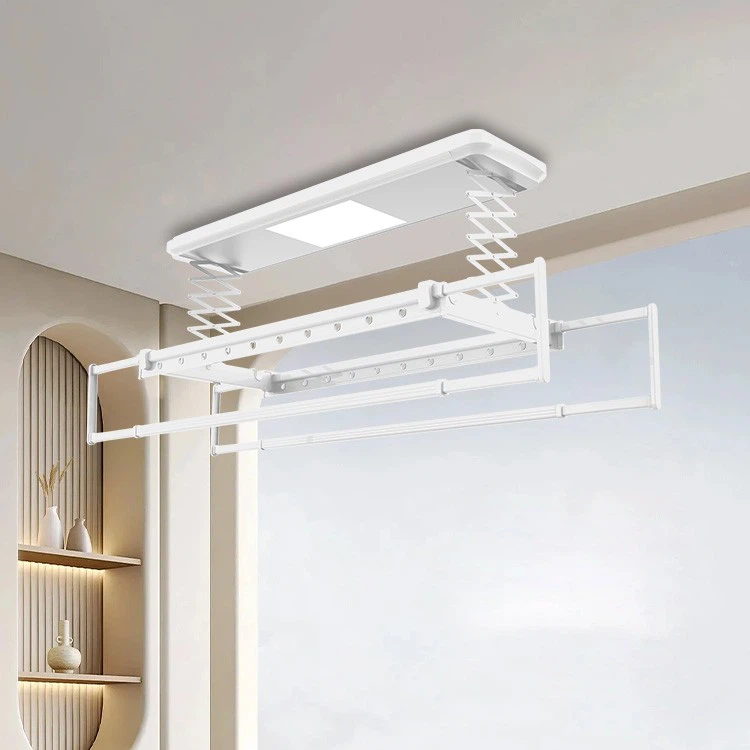
As a home clothes drying machine supplier, we offer a wide range of products to meet your needs. In addition to traditional dryers, we also provide innovative solutions such as Wholesale Of Drying Racks, Balcony Lifting Clothesline, and Remote - controlled Clothes Dryer. These products are designed to be energy - efficient, easy to use, and space - saving.
Contact Us for Purchase and Consultation
If you're interested in purchasing a home clothes drying machine or have any questions about installation, feel free to contact us. Our team of experts is ready to assist you with product selection, installation advice, and any other concerns you may have. Whether you choose to install the dryer yourself or hire a professional, we're here to support you every step of the way.
References
- "Home Appliance Installation Guide" by Home Improvement Association
- "Electrical Safety for Home Appliances" by Electrical Safety Foundation International
- "Gas Appliance Installation Manual" by Gas Safety Council